
- 1.Rise of Buy Now Pay Later in Digital Retail
- 2.Key Benefits for Everyday Shoppers
- 3.How Buy Now Pay Later Boosts Retail Growth?
- 4.Potential Drawbacks of Buy Now Pay Later
- 5.Buy Now Pay Later vs Traditional Financing
- 6.Regulatory Landscape and Safety Measures
- 7.Future Outlook for Buy Now Pay Later
- 8.Tips for Smart Buy Now Pay Later Use
- 9.Conclusion: Buy Now Pay Later's Lasting Shift
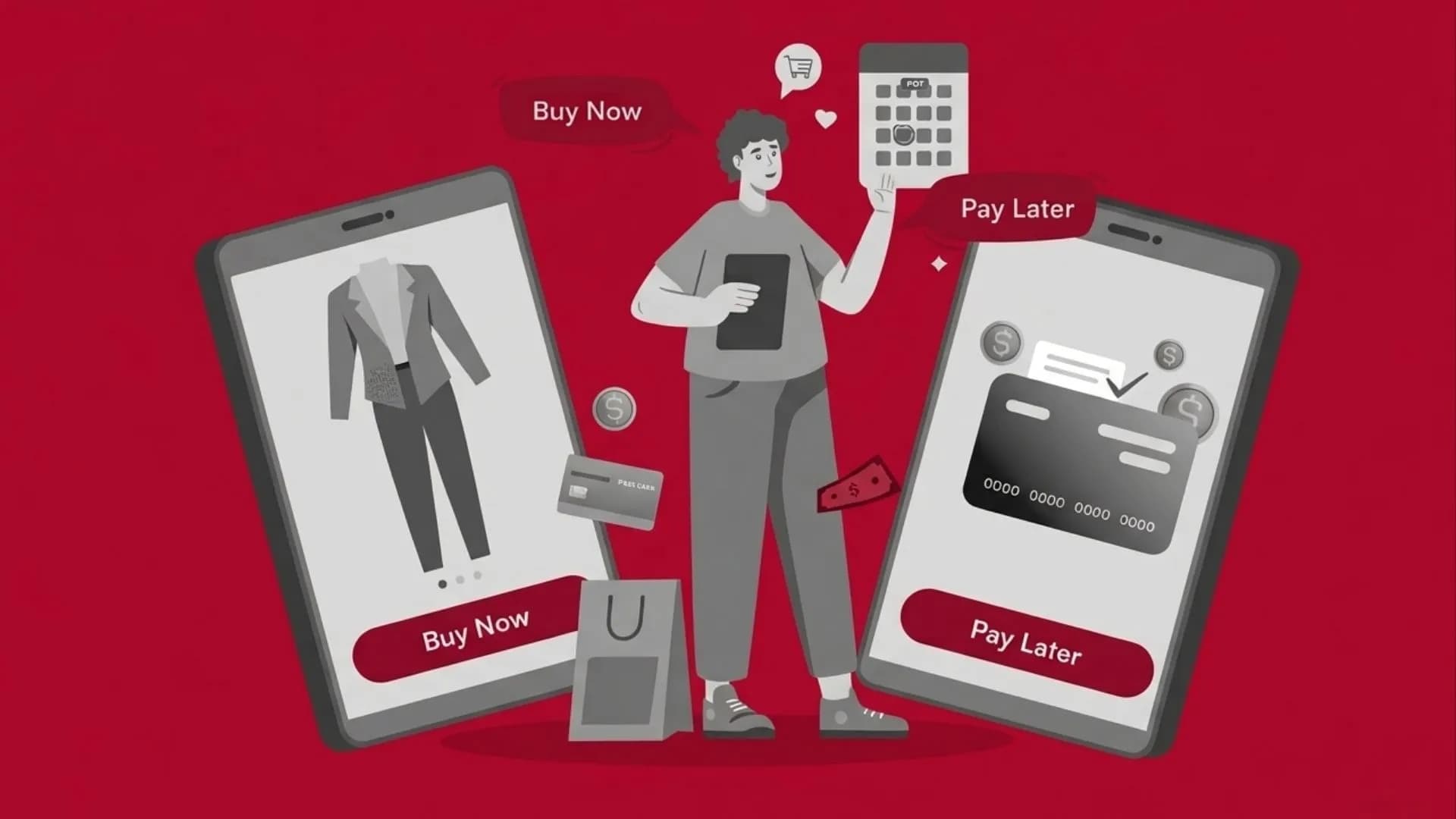
Buy-now-pay-later services are constantly reshaping the e-commerce sector by offering a flexible payment option to shoppers. This eventually helps in splitting the cost into manageable instalments. These platforms help the consumer purchase items instantly and settle the bills over a week or a month. This is often an interest-free option if a consumer pays on time. The buy-now-pay-later solution was at its peak at the time of the pandemic, with a global transaction of more than $360 billion by 2025 and up to 225% from 2020. Brands like Klarna, Affirm, and Afterpay partner with reliable retailers to boost their sales while easing buyer budgets.
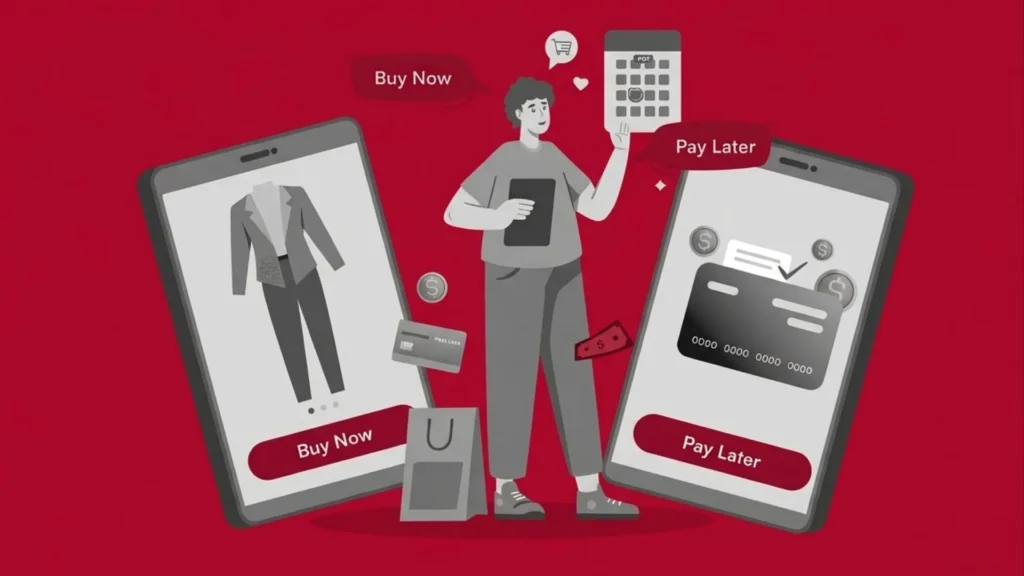
This shift creates an impressive move from rigid credit towards app-based, seamless financing.
Rise of Buy Now Pay Later in Digital Retail
With the introduction of the buy now, pay later option, there has been a rise in online shopping in recent years. The conventional credit cards often need upfront checks and have higher interest rates, which affect the pockets of the young buyers. BNPL systems smartly eliminate these hurdles, approving several users in seconds via soft card pulls. This system is also beneficial for retailers, and the market is showcasing a 20% to 30% shift in conversions when the customer sees the buy-now-pay-later option at checkout.
In the current times, India is facing a massive growth in platforms like LazyPay and handling billions of transactions every month. In 2024, the adoption of BNPL was hit by 45 million users, specifically during festive sales and through smartphones. With these capabilities, shoppers can get costly electronic products without draining their savings, paying back the amount gradually.
This model suits impulse buys. A ₹10,000 phone splits into four ₹2,500 parts over six weeks. No compound interest builds if deadlines are met, unlike cards averaging 36% APR in many markets.
Key Benefits for Everyday Shoppers
Buy-now-pay-later brings clear advantages over lump-sum payments. It spreads costs predictably, helping budget-conscious families afford quality goods. Interest-free plans dominate 85% of offers, saving users hundreds compared to loans.
Retail therapy feels less risky. Shoppers test products risk-free, returning items while owing less upfront. Data shows 70% of millennials prefer buy-now-pay-later for fashion and gadgets, citing affordability.
For retailers, buy-now-pay-later cuts cart abandonment by 27%. Instant approvals mean higher order values—customers add extras knowing payments stretch out.
Advantages include:
- Quick approvals without hard credit hits
- Fixed instalments for easy planning
- No interest in timely repayments
- Rewards integration with store loyalty
- Flexible terms from 4 to 12 months
How Buy Now Pay Later Boosts Retail Growth?
E-commerce plays a crucial role in the growth of buy-now-pay-later. Platforms like Flipkart and Amazon have rolled it out in a strategic way and are experiencing a 15% to 20% hike in sales. Though merchants' payment service fees are above 4-6% per transaction nowadays, gaining volume and loyalty are at their peak.
Global stats underline the shift. BNPL now accounts for 4% of all e-commerce payments, projected to hit 10% by 2028. In Europe, Klarna powers one in five online purchases. Asia follows suit, with Pine Labs expanding across Southeast markets.
This financing fuels categories like beauty and home decor. A ₹5,000 sofa arrives today; payments start next month. Sellers move inventory faster, reducing storage costs.
Potential Drawbacks of Buy Now Pay Later
Buy now, pay later isn't flawless. Late fees pile up—₹300-500 per missed installment in India—pushing some into debt cycles. Overspending tempts users, with 25% reporting unplanned buys per surveys.
Credit reporting varies. Some platforms share data with bureaus, reducing scores on defaults. Unlike cards, BNPL lacks grace periods, pressuring tight budgets.
Regulators watch closely. RBI capped fees and mandated disclosures in 2023. Users must read terms to avoid surprises.
Risks to note:
- Penalty charges for delays
- Multiple loans across platforms
- Impact on future creditworthiness
- Encouraged impulse spending
- Limited buyer protections sometimes
Buy Now Pay Later vs Traditional Financing
Buy-now-pay-later stands apart from cards or EMI plans. Cards charge interest immediately; BNPL defers it entirely for short terms. Banks require collateral for big loans; BNPL approves small carts instantly.
Approval rates favor BNPL at 85% versus 60% for cards. No forex fees aid international sites, too.
Comparison points:
- Zero interest dominates BNPL.
- Shorter repayment windows.
- App-based tracking simplifies.
- Merchant-funded models.
- Subprime access widens.
Regulatory Landscape and Safety Measures
Governments step in for fairness. U.S. mandates risk disclosures; EU caps fees at 0.1% monthly. India's RBI requires clear APRs and grievance cells.
Platforms add safeguards like spending limits and reminders. Buy-now-pay-later firms partner with credit bureaus for responsible lending.
Protections:
- Mandatory late fee caps.
- Cooling-off return policies.
- Transparent terms display.
- Fraud detection algorithms.
- User spending scorecards.
Future Outlook for Buy Now Pay Later
Buy-now-pay-later integrates deeper into wallets. Apple Pay and Google will include it natively by 2026. Embedded finance hits groceries and travel next.
India is expecting to target 100 million users by 2027, with banks launching applications related to BNPL, and crypto-linked BNPL experiments hint at the next waves.
Projections show:
- 15% e-commerce share
- B2B buy-now-pay-later growth
- AI personalized plans
- Cross-border expansions
Tips for Smart Buy Now Pay Later Use
Maximize benefits wisely. Assess affordability first—can you clear it in terms? Track via apps to dodge fees.
Combine with cashback sites. Return items promptly to adjust dues.
Best practices:
- Limit to one active plan
- Set calendar reminders
- Choose merchants with returns
- Review credit reports yearly
- Opt for the shortest terms
Conclusion: Buy Now Pay Later's Lasting Shift
Buy-now-pay-later transforms online shopping into accessible luxury for millions, blending convenience with control. From 20% sales boosts for stores to debt-free splurges for buyers, its appeal endures. Yet success demands discipline amid fees and temptations. As adoption climbs past 10% of transactions, buy-now-pay-later solidifies as a staple, rewarding informed users who balance opportunity with caution. Retail evolves and smart shoppers thrive.