
- 1.What Is Digital Overdraft UPI Integration?
- 2.Why This Matters in Today’s Banking Landscape
- 3.Key Benefits of Digital Overdraft UPI Integration
- 4.How It Works: A Simple Breakdown
- 5.Real-World Use Cases
- 6.Comparison: Traditional Overdraft vs Digital Overdraft UPI Integration
- 7.Impact on Retail Banking Trends
- 8.Potential Challenges and Considerations
- 9.Why This Innovation Stands Out
- 10.The Future of Digital Overdraft UPI Integration
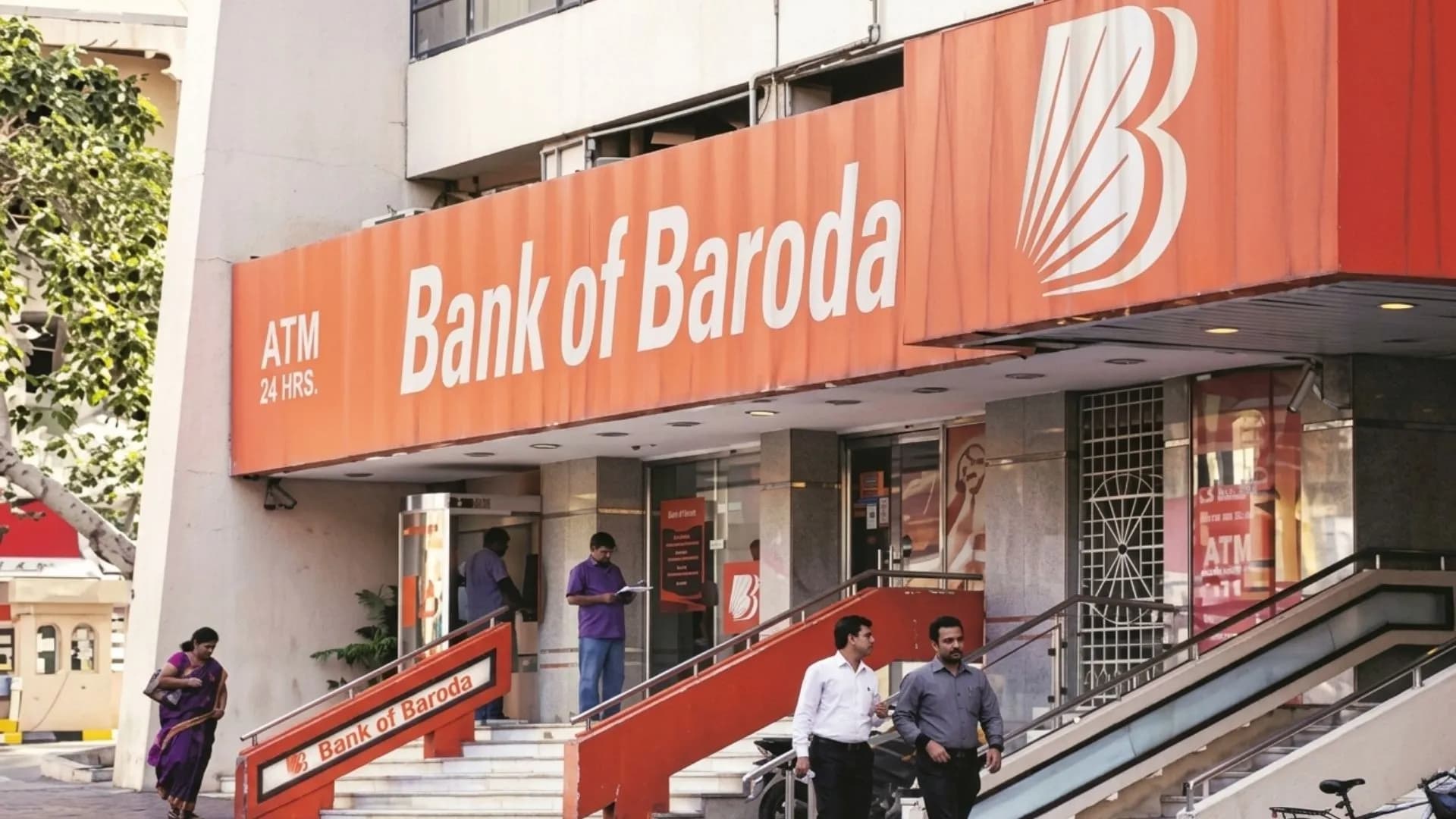
Another milestone in the rapid development of digital banking in India has been achieved through the introduction of powerful innovation by the Bank of Baroda- it offers a feature of digital overdraft digital overdraft UPI integration. This is a strategic step that will change the way customers are experiencing short term credit of reaching out to take credit and borrowing is made simple and instantly integrated into daily deals.
With speed, accessibility, and convenience becoming part of the financial services configuration in an age, this is a continuation of a larger trend to frictionless credit architecture in retail banking. In this paper, the mechanism behind this innovation, its advantages, and the reasons it is unique in the competitive digital banking category will be discussed.
What Is Digital Overdraft UPI Integration?
Digital overdraft UPI integration is a conceptual approach that will permit its customer to access overdraft credit directly via UPI platforms. Conventional overdraft facilities used to be manual to approve and had to be used in limited form and limited paperwork. But the project of Bank of Baroda breaks all these boundaries by introducing the overdraft service into digital payment systems.
This means customers can now:
- Make UPI payments even at the time when their account balance is low.
- Immediately withdraw money on an overdraft limit, which has already been approved.
- Transaction failure can be avoided as a result of lack of funds.
This invention is in line with India shifting towards the financial inclusion and digital-first banking services drive.
Why This Matters in Today’s Banking Landscape
India’s digital payments ecosystem is one of the fastest-growing globally. According to NPCI data, UPI transactions crossed billions per month, signaling massive consumer adoption. However, one persistent limitation has been the dependency on account balance availability.
By integrating overdraft with UPI, Bank of Baroda addresses a crucial gap—real-time access to credit during transactions.
This development positions the bank at the forefront of:
- Embedded finance
- Instant credit solutions
- Customer-centric digital banking
Key Benefits of Digital Overdraft UPI Integration
1. Instant Access to Credit
Immediacy is the largest benefit of digital overdraft UPI integration. Emergency loans no longer require customers to make individual applications. Instantly, pre-approved overdraft limits may be used when performing UPI transactions.
2. Seamless User Experience
The integration is compatible with existing UPI apps, so the user does not have to change platforms and/or conduct extra procedures. The experience is smooth, intuitive and frictionless.
3. Fewer missed Transactions.
Failed transactions because of a lack of money appears to be one of the most frustrating features of digital payments. This system is continuity-minded as it taps into overdraft limits automatically.
4. While adding Financial Flexibility.
Customers have more control of their money. Be it an urgent bill payment, shopping cost or the emergency requirement, there is no need to hold up UPI payments that are overdraft safeguarded.
5. Better Financial Inclusion.
This technology expands access to credit to underserved markets, particularly those who might lack more traditional credit cards but still have a banking relationship.
How It Works: A Simple Breakdown
| Step | Process |
| 1 | Customer gets a pre-approved digital overdraft account |
| 2 | Account is linked to UPI-enabled apps |
| 3 | During a transaction, if balance is low, overdraft is used |
| 4 | Payment is completed instantly |
| 5 | Customer repays overdraft as per terms |
This streamlined approach eliminates the traditional complexities associated with short-term credit.
Real-World Use Cases
Imagine a situation where a customer is making a ₹5,000 payment via UPI but only has ₹2,000 in their account. Instead of the transaction failing, the remaining ₹3,000 is automatically drawn from the overdraft facility.
This functionality is particularly valuable for:
- Emergency medical payments
- Utility bill deadlines
- Last-minute travel bookings
- Small business cash flow management
For small merchants and gig workers, this can significantly improve liquidity management.
Comparison: Traditional Overdraft vs Digital Overdraft UPI Integration
| Feature | Traditional Overdraft | Digital Overdraft UPI Integration |
| Access Speed | Manual / Delayed | Instant |
| Usability | Limited to bank channels | Available via UPI apps |
| Convenience | Moderate | High |
| Transaction Support | Restricted | Real-time payments |
| User Experience | Complex | Seamless |
This comparison highlights why digital overdraft UPI integration is a breakthrough in modern banking.
Impact on Retail Banking Trends
Introducing digital overdraft UPI integration is indicative of a number of macro trends that influence the financial industry:
Embedded Finance Growth
Financial services are finding their way into consumer platforms in the day-to-day basis. A good example of credit embedded in payments would be that of UPI-linked overdrafts.
Rise of Instant Credit
In this time consumers want instantaneous answers. Delaying until loans are approved is a thing of the past, and real-time credit is required.
Customer-Centric Innovation
User experience is becoming more important to banks than ever. Make access to credit easy, and customer satisfaction and retention are directly affected.
Competition Among Banks
The move is a benchmark that other banks can use to innovate and improve their digital offerings.
Potential Challenges and Considerations
Although the advantages are considerable, customers are advised to be aware of responsible usage:
- Extensive use of an overdraft may increase interest expenses.
- It must have a good discipline in repaying.
- It is very important to be aware of terms and charges.
On behalf of banks, they are obliged to guarantee candid communication and sound risk management measures.
Why This Innovation Stands Out
What makes Bank of Baroda’s initiative particularly powerful is its ability to combine payments and credit into a single, unified experience. Unlike traditional lending models, this approach integrates seamlessly into users’ daily financial behavior.
The digital overdraft UPI integration is not just a feature—it’s a transformation in how consumers interact with money.
The Future of Digital Overdraft UPI Integration
Looking ahead, this innovation is likely to evolve further with:
- AI-driven credit assessments
- Personalized overdraft limits
- Integration with more fintech platforms
- Expansion to broader customer segments
As digital ecosystems mature, such solutions will become standard rather than exceptional.
Conclusion
The launch of digital overdraft UPI integration by Bank of Baroda marks a significant leap in India’s digital banking journey. By enabling instant, seamless access to credit within UPI transactions, the bank has redefined convenience and financial flexibility.
For consumers, this means fewer disruptions, better control over finances, and access to credit when it matters most. For the banking industry, it sets a new benchmark for innovation and customer-centric design.
Join GoFinance today and discover how modern financial tools can simplify your life, empower your spending, and give you confidence in every transaction.