
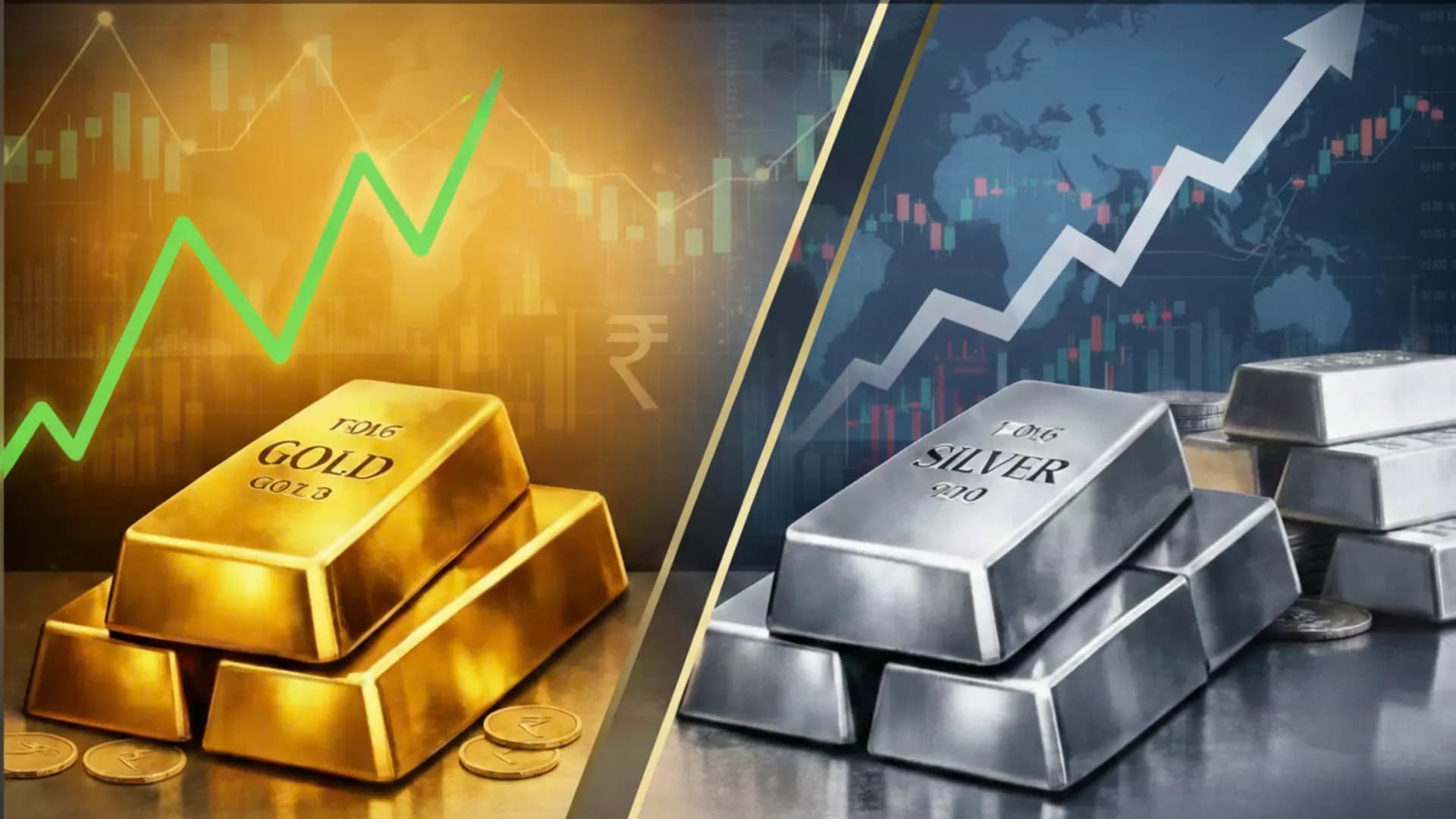
- 1.Global Economic Conditions Shaping Gold and Silver Prices in 2026
- 2.Gold Market Analysis in 2026
- 3.Silver Market Analysis in 2026
- 4.Gold vs. Silver: Detailed Comparison for Investors in 2026
- 5.Performance Trends: Before and After Key Economic Shifts
- 6.Is 2026 a Good Time to Buy Gold or Silver?
- 7.Investment Options: Physical vs. Financial Instruments
- 8.Risks Investors Should Not Ignore
As of 31 January 2026, gold and silver prices are among the most discussed topics in global financial markets. Rising geopolitical uncertainty, long-term inflation concerns, shifting central bank policies, and accelerating industrial demand have brought precious metals back into focus. Investors, portfolio managers, and retail buyers are increasingly asking whether this moment represents an opportunity—or a risk—to invest in gold or silver.
This article provides a comprehensive, data-driven analysis of gold and silver in 2026, comparing their performance, demand drivers, risks, and future outlook. It is designed to help investors make informed, strategic decisions based on current economic realities rather than speculation.
Global Economic Conditions Shaping Gold and Silver Prices in 2026
The global economy entering 2026 remains fragile but adaptive. While inflation has eased from its peak levels seen earlier in the decade, it continues to exceed central bank targets in many regions. Interest rates remain relatively high, but expectations of aggressive monetary tightening have diminished.
Several structural factors are supporting precious metals demand:
- Persistent geopolitical conflicts affecting trade routes and energy markets.
- Growing concerns over sovereign debt sustainability.
- Currency volatility, particularly in emerging markets.
- Rising demand for alternative stores of value.
These conditions historically favor gold and silver, especially during periods when confidence in fiat currencies weakens.
Gold Market Analysis in 2026
Gold remains the most widely held and trusted precious metal globally. Its value is driven less by industrial use and more by its role as a financial hedge.
Key Drivers Supporting Gold Prices
Central banks have continued to increase gold reserves into 2026, extending a trend that began earlier in the decade. This reflects a strategic shift away from overdependence on reserve currencies. Gold demand from institutional investors has also risen as portfolios are rebalanced to manage risk amid uncertain growth prospects.
Gold prices have shown resilience despite higher interest rates, indicating strong underlying demand. This resilience suggests that gold is being treated not merely as a speculative asset but as a long-term strategic holding.
Gold’s Role in Modern Portfolios
Gold is primarily used to preserve wealth and reduce portfolio volatility. Historical data shows that gold often performs well during market stress, making it particularly attractive during periods of economic transition or uncertainty.
Silver Market Analysis in 2026
Silver’s investment case differs significantly from gold due to its substantial industrial usage.
Industrial Demand Driving Silver Prices
Silver plays a critical role in renewable energy technologies, particularly solar photovoltaic systems, as well as electric vehicles, electronics, and medical devices. The global push toward decarbonization has resulted in sustained growth in silver consumption.
Supply growth, however, has lagged behind demand. Many silver mines are by-products of other metal operations, limiting rapid production expansion. This structural imbalance has supported silver prices and increased long-term investment appeal.
Volatility and Opportunity
Silver is more volatile than gold, reacting strongly to both economic optimism and market downturns. While this increases risk, it also enhances return potential during favorable cycles.
Gold vs. Silver: Detailed Comparison for Investors in 2026
The table below highlights the key differences between gold and silver, helping investors understand which metal aligns better with their objectives.
| Factor | Gold | Silver |
| Primary Use | Store of value, hedge against inflation | Industrial metal and investment asset |
| Volatility | Lower | Higher |
| Industrial Demand | Limited | High and growing |
| Central Bank Demand | Strong | Minimal |
| Affordability | Higher price per unit | More accessible to retail investors |
| Performance in Crises | Historically strong | Mixed but often follows gold |
| Growth Potential | Moderate | Higher but riskier |
Performance Trends: Before and After Key Economic Shifts
The following table illustrates how gold and silver typically respond to major economic conditions, providing context for current market behavior.
| Economic Environment | Gold Performance | Silver Performance |
| High Inflation | Strong upward trend | Moderate to strong |
| Rising Interest Rates | Stable to slightly weak | Often volatile |
| Economic Recession | Strong safe-haven demand | Initial weakness, later recovery |
| Economic Expansion | Moderate | Often outperforms gold |
| Currency Devaluation | Strong | Strong but volatile |
This comparison highlights why many investors choose to hold both metals rather than favoring one exclusively.
Is 2026 a Good Time to Buy Gold or Silver?
From an investment strategy perspective, 2026 is considered favorable for gradual accumulation rather than aggressive short-term trading. Several factors support this view:
- Precious metals prices are supported by structural demand rather than speculative excess.
- Market uncertainty remains elevated, increasing the value of diversification.
- Industrial demand trends for silver are long-term and unlikely to reverse quickly.
- Gold continues to act as a hedge against fiscal and currency-related risks.
Instead of attempting to time market peaks or troughs, many investors are adopting dollar-cost averaging strategies to build positions over time.
Investment Options: Physical vs. Financial Instruments
Investors can access gold and silver through various channels, each with distinct advantages and risks.
| Investment Type | Advantages | Considerations |
| Physical Bullion | Direct ownership, no counterparty risk | Storage and insurance costs |
| ETFs | Liquidity, ease of trading | Management fees, indirect ownership |
| Digital Gold | Fractional ownership, convenience | Platform and regulatory risk |
| Mining Stocks | Leverage to metal prices | Company-specific risks |
Choosing the right investment vehicle depends on individual goals, risk tolerance, and investment horizon.
Risks Investors Should Not Ignore
Despite positive fundamentals, gold and silver are not risk-free investments. A stronger-than-expected global economic recovery could reduce safe-haven demand. Prolonged high real interest rates may limit upside potential. Regulatory changes or technological shifts could also influence industrial demand patterns.
Prudent investors should integrate precious metals into a diversified portfolio rather than relying on them exclusively.
Conclusion: Strategic Outlook for Gold and Silver in 2026
In summary, gold and silver remain strategically relevant assets in 2026, supported by macroeconomic uncertainty, evolving financial systems, and structural demand trends. Gold offers stability, wealth preservation, and protection against systemic risk, while silver provides growth potential linked to industrial expansion and technological transformation.
For investors seeking resilience in an unpredictable financial environment, precious metals continue to serve as valuable tools. The key lies not in choosing between gold or silver, but in understanding how each fits into a broader, well-balanced investment strategy.
Boost your business with Go Finance—get fast, flexible finance and business loans designed for your growth. We provide all types of finance and loan solutions with easy approval and reliable support.