
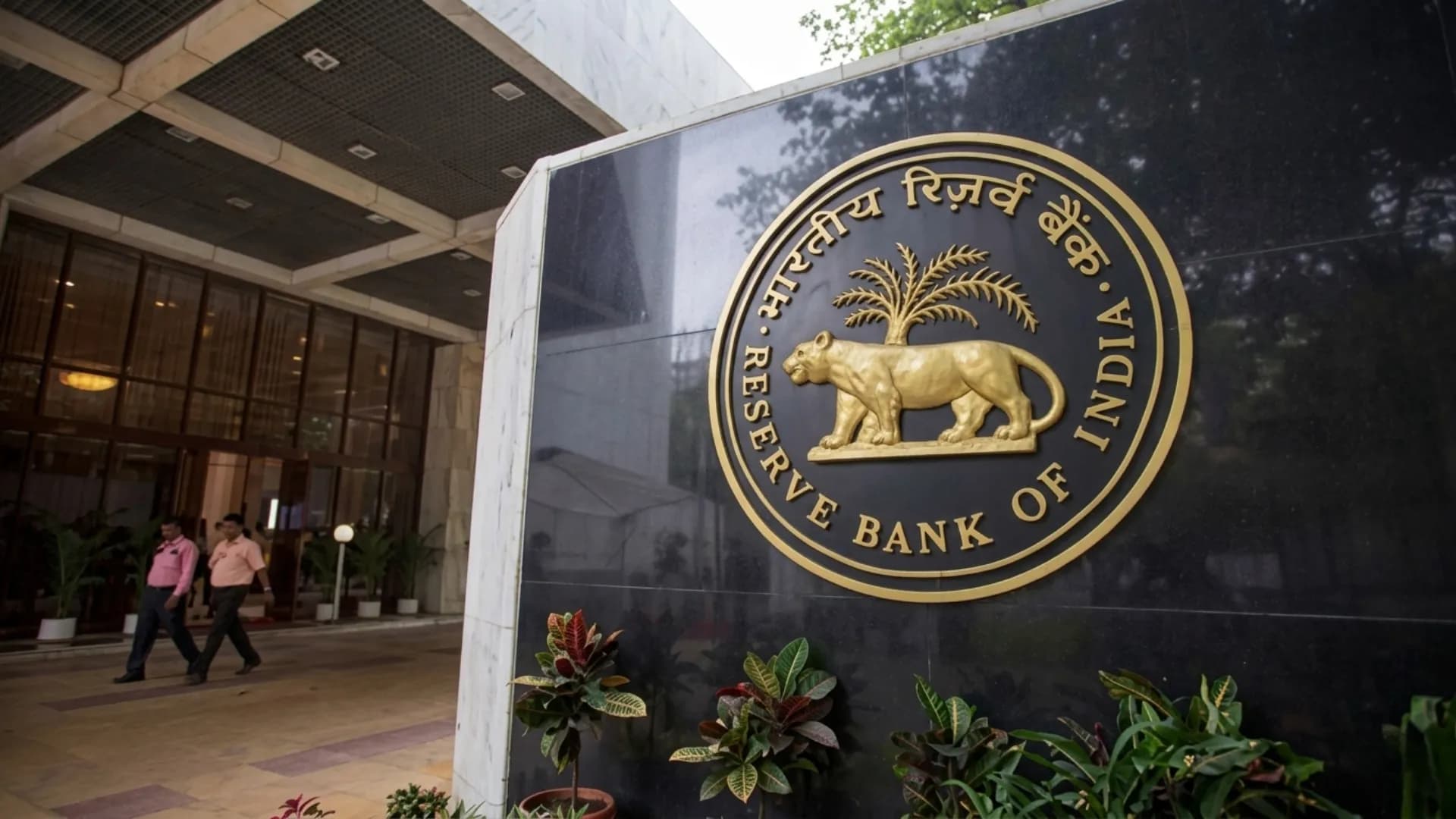
The digital payments landscape in India is going through a radical stage as the RBI Payments Vision 2028 comes in as a visionary roadmap that is set to transform the way people and businesses conduct transactions. With the swift growth of the digital industry in both urban and rural areas, the most recent vision of the Reserve Bank of India focuses on the aspects of security, accessibility, and innovation to keep the country in the spotlight of fintech development.
It is a cost-effective structure of the success of previous projects with innovative aspects involving a universal on/off solution of the digital payments and implementation of the electronic cheques (e-cheques). These are not merely enhanced advancements, but structural advancements that are determined to improve trust, flexibility and efficiency within the financial system.
What is RBI Payments Vision 2028?
RBI Payments Vision 2028 is a strategic plan that defines how payment systems in India will be in the future. It deals with the increasingly secure, user-friendly, and worldwide competitive digital transaction. The vision focuses on empowering users and enhancing regulatory control with the theme of innovation and inclusivity being the core concept of the vision.
Among the key objectives of the firm is to make digital payments more secure and manageable to the users, as cyber threats keep evolving. The RBI is also responding to the present and the future needs by combining innovative technologies and policy frameworks.
Key Features of RBI Payments Vision 2028
1. Switch On/Off Facility Across Digital Payment Modes
One of the highlights of the RBI Payments Vision 2028 is the introduction of a switch on/off functionality that is universal. This will give the users the option of switching on or off the digital payment options like UPI, cards and net banking immediately.
This aspect gives a strong level of control to the user. An example is when an individual suspects fraud or does not want to use computer-mediated payments at the moment, he/she can turn off access immediately. This mitigates the chances of unauthorized transactions and provides the user with increased confidence.
2. Implementation of Electronic Cheques (E-Cheques).
Electronicisation of cheque is one of the most significant contemporary modernisation of conventional banking instruments. E-cheques do not require any physical processing and still have the legal and functional features of paper cheques.
This innovation is especially good among those businesses that are still relying on the use of cheques in the payment system. It simplifies the processing, saves on delays and operational costs are minimized.
3. Enhancing the security of Digital Payments.
Security is a wing of the RBI Payments Vision 2028. The framework focuses on enhanced fraud detection tools, real-time controls, and enhanced authentication tools.
These measures are essential with rising cases of phishing and internet fraud. Through the introduction of AI-based surveillance and a more stringent compliance standard, the RBI should be able to develop a safer online environment.
4. Enhancing Financial Inclusion
The vision also focuses on expanding digital payment access to underserved and rural populations. By improving infrastructure and simplifying user interfaces, the RBI seeks to bridge the digital divide.
This aligns with India’s broader goal of achieving inclusive growth, ensuring that every citizen can participate in the digital economy.
Benefits of RBI Payments Vision 2028
The RBI Payments Vision 2028 brings a wide range of benefits for individuals, businesses, and the economy as a whole.
For Individuals
The switch on/ off facility and the other features provide the user with more powers in controlling their financial transactions. That decreases the fear of fraud and increases the confidence in the online platforms.
For Businesses
Companies accrue the advantages of quick transactions processing, less expenditure on operations and greater assurance of payments. Implementation of e-cheques is especially beneficial in the business transactions.
For the Economy
A safer and more economically effective payment system increases economic activity. It promotes the use of digital, decreases the reliance on cash, and enhances financial transaction transparency.
Real-World Impact and Use Cases
Take the example of a small business owner, who is very likely to use digital payments to run his/her day-to-day activities. Business hours can be disabled in RBI Payments Vision 2028 immediately after and to minimize fraud risks, mode of payment can be disabled.
Equally, a business entity that pays huge sums of money can use e-cheques which will remove the delays that are caused during the process of clearing physical cheques. This enhances managing the flow of cash and efficient operation.
According to the statistics of the past years, India handles billions of digital transactions every month with UPI alone occupying a huge portion of this volume. The changes presented in the RBI Payments Vision 2028 will make this growth even more rapid.
Comparison: Traditional vs New Payment Features
| Feature | Traditional System | RBI Payments Vision 2028 |
| Payment Control | Limited | Real-time On/Off Access |
| Cheque Processing | Physical & Time-Consuming | Digital & Instant |
| Security | Basic | Advanced & AI-Driven |
| Accessibility | Urban-Focused | Nationwide Inclusion |
| Fraud Prevention | Reactive | Proactive Monitoring |
Why RBI Payments Vision 2028 Matters
The significance of the RBI Payments Vision 2028 lies in its proactive approach. Rather than reacting to challenges, it anticipates future trends and prepares the financial ecosystem accordingly.
With the rapid rise of fintech innovations, digital wallets, and cross-border transactions, a robust regulatory framework is essential. This vision ensures that India not only keeps pace with global developments but sets new benchmarks.
Final Thoughts
The RBI Payments Vision 2028 is more than a policy document—it is a transformative step toward a smarter, safer, and more inclusive financial future. By introducing innovative features like the switch on/off facility and e-cheques, the RBI is addressing real-world challenges faced by users and businesses.
As digital payments continue to dominate the financial landscape, this vision ensures that India remains at the forefront of innovation while safeguarding user interests. For anyone involved in finance, banking, or digital transactions, understanding and leveraging the RBI Payments Vision 2028 is not just beneficial—it is essential.
Take control of your financial future with GoFinance—your trusted partner for smarter banking insights and the latest updates like RBI Payments Vision 2028.