
This is a key geopolitical move that has seen Iran permit India and few of its friendly countries to navigate the Strait of Hormuz despite the existence of war and stringent maritime laws. The choice featured in media reports like The Hindu is a crucial turning point in the process of regulation of the world trade routes in the circumstances of the crisis.
Although a lot of debate has been raised on India, it is equally important to learn that India is not the only country to be granted such a privilege of selective access to only some countries without any differences among countries depending on their strategic alignment and political relations.
Which Countries Did Iran Allow?
Iran has also as various confirmed sources, allowed the transit of vessels allied to five main countries:
- India
- China
- Russia
- Iraq
- Pakistan
Iran during the crisis had classified these countries as either friendly or non hostile.
Meanwhile, Iran clarified that ships related to the United States, Israel, and other Western allies would not pass through the strait and this further cemented the geopolitical gap between the two sides in the area.
Why Only These Countries?
Iran’s decision was not purely economic—it was deeply strategic. The countries granted access share one or more of the following characteristics:
1. Political Approval or Indifference.
Other countries such as India and China have had a leveled or mutually benefiting relationship with Iran without involving in conflicts within the region.
2. Economic Interdependence
These countries are significant consumers of energy or trade allies. According to the agreement, granting them entry means that the flow of oil exports will be preserved and that a complete breakdown of the trade in the region will be avoided.
3. Strategic Partnerships
The relationships between Russia and China, like other countries, have been close in diplomatic and defense relations with Iran, which gave preference.
India’s Position Among These Nations
Among the five countries, India holds a unique position. Unlike China or Russia, India follows a multi-aligned foreign policy, maintaining relations with both Western and non-Western blocs.
Iran’s decision to include India signals:
- Recognition of India as a trusted partner
- Respect for India’s diplomatic neutrality
- Importance of India as a major energy importer
In fact, Iranian officials confirmed that Indian vessels were allowed to pass as a “special exception” during the blockade.
What Makes the Strait of Hormuz So Critical
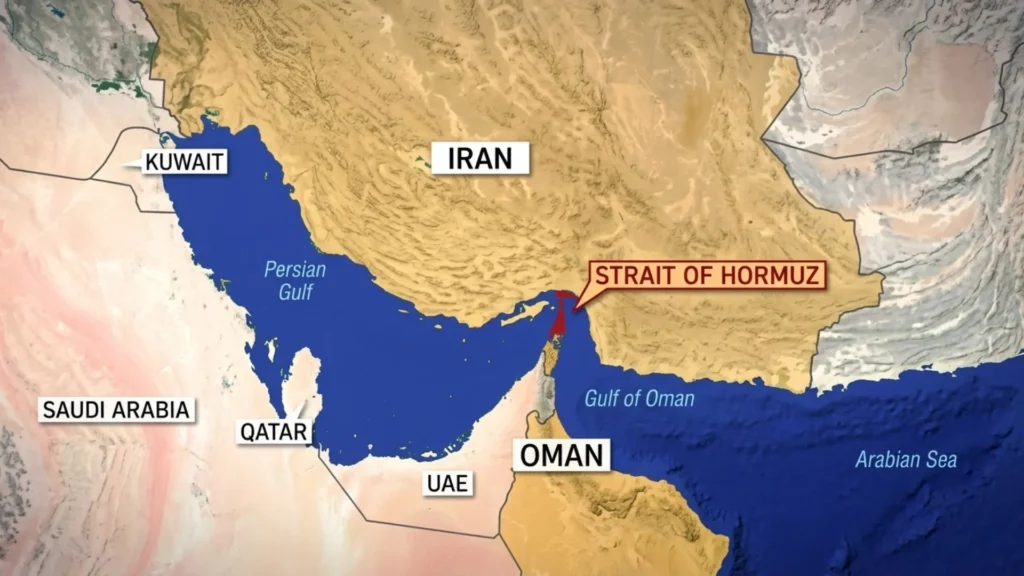
The Strait of Hormuz is not merely any other shipping channel it is a global energy conduit. Almost two out of five barrels of oil are transported through this slender passageway in the world. Any form of interruption in this can have instant effects in the form of an increase in oil prices, inflation and shortages.
Even the threat of closing in the recent tensions caused panic in the world markets. Shipment routes were in doubt, insurance premiums shot up and a number of ships were grounded. It is against this backdrop that selective access is also an effective tool, a tool that can manipulate the global economics in real time.
Economic Effect on the Nations that are allowed.
To the nations which have the opportunity to gain the access the advantages extend to energy provision. These countries are relatively advantaged over others who are being limited.
The industries within India, China and other countries that are allowed to operate can do so without many disruptions. The costs of manufacturing are kept constant and the number of manufacturers is able to meet the export requirements more efficiently. On the contrary, accessing countries can experience delays, costs, and economic decelerations.
This brings an imbalanced competitive field of global trade, where the availability of the important routes becomes a competitive edge.
A Shift Toward Politically Controlled Trade Routes
The action of Iran is an indication of the overall change in the way global trade routes could operate in the coming days. Under world maritime conventions, the world has traditionally had international waterways that were free to everybody such as the Strait of Hormuz. Such circumstances, however, demonstrate that the access can be regulated through political relations.
Selective permissions can enable countries to have influence without fully shutting down the economy. This is the way that countries such as Iran are able to exert a lot of leverage to the entire world without pushing the conflict levels to the extreme.
Challenges and Uncertainty
The situation is weak despite the benefits. The access is not unconditional. Clearance of ships cannot be removed yet, and authorizations can be adjusted on geopolitical grounds.
There has been a problem with delays of some vessels attributed to approved countries as well, thus indicating that the system is highly controlled. As well, insurances and freight risks are still high because of the general relationship disorder in the area.
To India and other people, the current situation is unimaginable yet it should not be assumed.
The Bigger Picture
This development reflects a deeper transformation in global economics and geopolitics. Energy security is no longer just about securing resources—it is about maintaining strong international relationships.
For India, being among the countries granted passage is both an opportunity and a responsibility. It must continue to balance its foreign policy, strengthen diplomatic ties, and invest in long-term energy alternatives.
Final Thoughts
Iran granting passage to India, China, Russia, Iraq, and Pakistan through the Strait of Hormuz is a defining moment in modern geopolitics. It demonstrates how strategic relationships can shape access to critical global resources.
For India, the impact is immediate—ensuring energy supply and economic stability. But the larger takeaway is even more powerful:
In today’s interconnected world, access to trade routes depends not just on geography, but on diplomacy, trust, and strategic alignment.
Stay ahead of global financial shifts with GoFinance. Get expert insights, smart strategies, and real-time updates to make better money decisions—anytime, anywhere.