
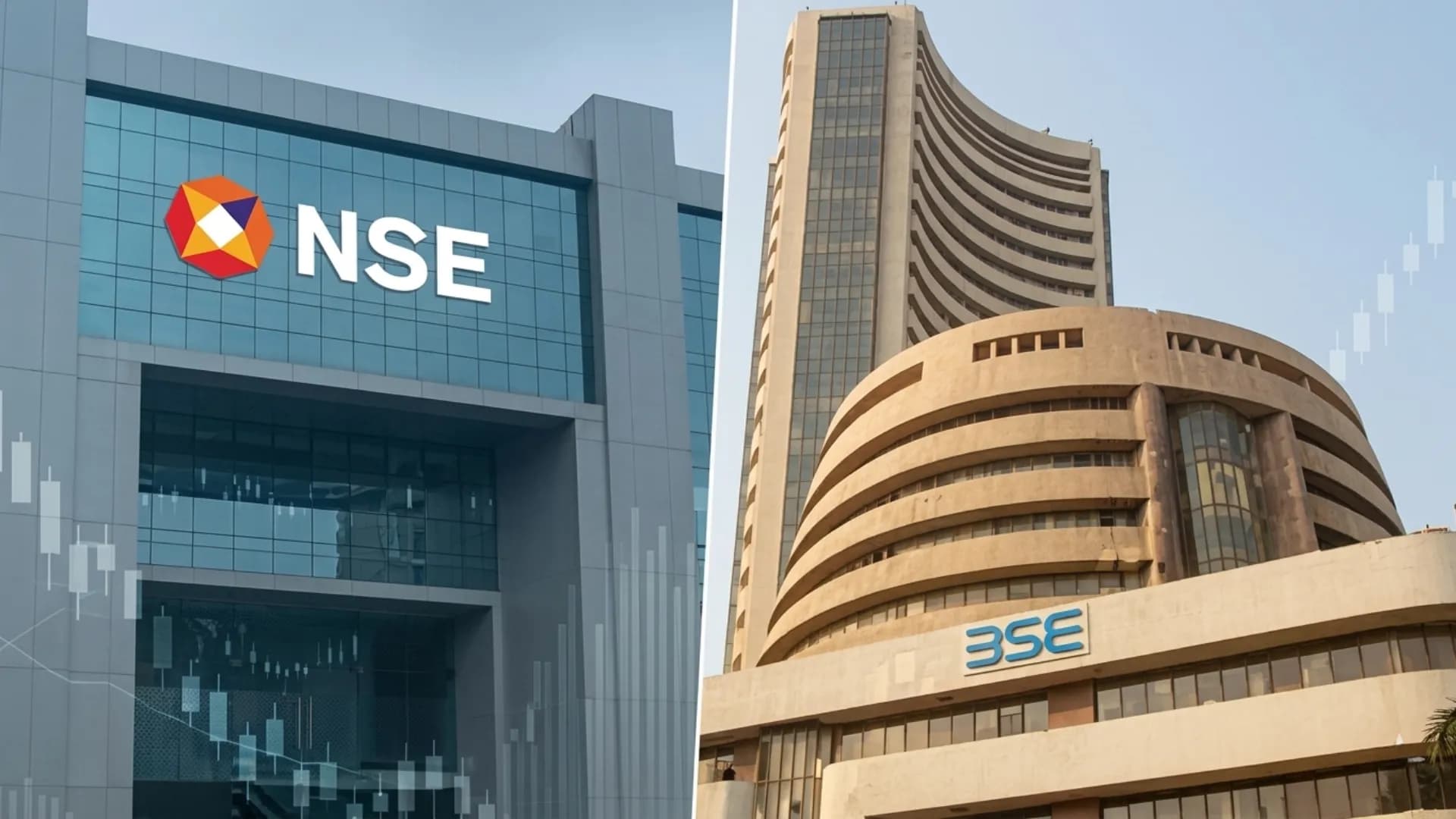
The Indian stock market experienced a 3-Day Trading Break which caused investors and traders to search for information about its effects. The market prohibition which was implemented because of scheduled holidays operates as a complete market shutdown that changes both trading patterns and market liquidity and investor mood. The 3-day trading break in India requires comprehension from all financial market participants who want to succeed in their activities.
Why Are NSE and BSE Closed?
India observes a 3-day trading break because Good Friday, which functions as a market holiday, is observed throughout the nation. The National Stock Exchange (NSE) and Bombay Stock Exchange (BSE) and MCX commodity markets all observe this day as an official holiday.
The break holds special importance because it occurs after Mahavir Jayanti, which takes place on the same week. The market participants now face a situation where they must operate under limited trading hours until they reach their extended weekend.
The following working day after the extended break starts trading activities which usually begin on Monday.
What Exactly Is a 3-Day Trading Break?
A 3-day trading break in India occurs when markets remain closed due to a combination of:
- A public holiday (like Good Friday)
- A weekend (Saturday and Sunday)
This creates a gap where no buying, selling, or price discovery happens in the equity or commodity markets.
Impact of the 3-Day Trading Break on Traders
1. Market Volatility After Reopening
In India a 3-day trading break leads to major market volatility which occurs when trading recommences. The market remains closed but worldwide events develop and significant events like military conflicts or economic data releases lead to unexpected market fluctuations.
The break period enables international commodity prices and American stock market trends to create a strong impact on Indian stock market indexes which will start trading again.
2. Liquidity Gaps and Price Adjustments
During the 3-day trading break in India, no trades occur, but underlying economic factors continue to evolve. This often leads to:
- Gap-up openings (prices jump higher)
- Gap-down openings (prices fall sharply)
Such gaps can create both risks and opportunities for traders, especially in derivatives and intraday trading.
3. Strategic Pause for Traders
The current break has both positive and negative effects. Experts believe that India's three-day trading break offers essential mental recovery time to traders.
The recent industry insight revealed that traders who engage in frequent trading experience psychological problems which breaks help them to overcome by enabling strategic evaluation and emotional decision-making control.
4. Impact on Banking and Settlements
The three-day trading suspension in India affects the following banking activities: The bank branches will probably stay closed The settlement cycles will experience delays The digital banking systems which include UPI and net banking continue to operate without interruptions This system serves as an essential tool for traders who need to handle their margin requirements and execute their withdrawal requests and fund-transfer operations.
Real-World Example: How Breaks Affect Markets
Consider a scenario where global oil prices surge during the break. Since India is a major oil importer, this could:
- Increase inflation concerns
- Pressure stock indices like Nifty and Sensex
- Impact sectors like aviation and FMCG
When markets reopen after the 3-day trading break in India, these changes are instantly reflected, often leading to sharp moves.
Key Benefits of a 3-Day Trading Break
While many traders worry about missed opportunities, the 3-day trading break in India offers several strategic advantages:
| Benefit | Explanation |
| Reduced Overtrading | Helps traders avoid impulsive decisions |
| Time for Analysis | Opportunity to review portfolios and strategies |
| Global Market Observation | Track international trends without immediate pressure |
| Mental Recovery | Reduces stress and trading fatigue |
| Better Planning | Prepare for upcoming events like earnings or policy announcements |
Upcoming Market Holidays in 2026
The 3-day trading break in India is not an isolated event. The stock market follows a structured holiday calendar. For instance:
- April 14: Ambedkar Jayanti
- May 1: Maharashtra Day
- October 2: Gandhi Jayanti
Understanding these dates helps traders plan positions and manage risks effectively.
How Smart Traders Use the Break
Professional traders don’t just wait during a 3-day trading break in India—they prepare. Here’s how:
- Portfolio Rebalancing: Reviewing asset allocation
- Global Analysis: Tracking U.S., European, and Asian markets
- Risk Management: Adjusting stop-loss and hedging strategies
- Learning & Research: Studying market trends and new strategies
Final Thoughts
The 3-day trading break in India functions as a holiday which serves as a tactical interruption for the entire financial system. The period which appears to be lost for trading actually creates a valuable chance for evaluating existing situations, creating future plans, and implementing methods to control potential dangers. Smart investors use this time not to step away—but to step ahead.
Stay ahead of every market move with GoFinance—your smart companion for insights, strategies, and real-time financial intelligence. Don’t just follow the market, lead it.