
- 1.Understanding the Milestone
- 2.Key Drivers Behind India Coal Production Growth
- 3.Economic and Financial Impact
- 4.Environmental and Sustainability Considerations
- 5.Real-World Impact: Case Study Approach
- 6.Benefits at a Glance
- 7.Strategic Importance for India’s Future
- 8.Challenges Ahead
- 9.The Road Ahead: Opportunities and Innovation
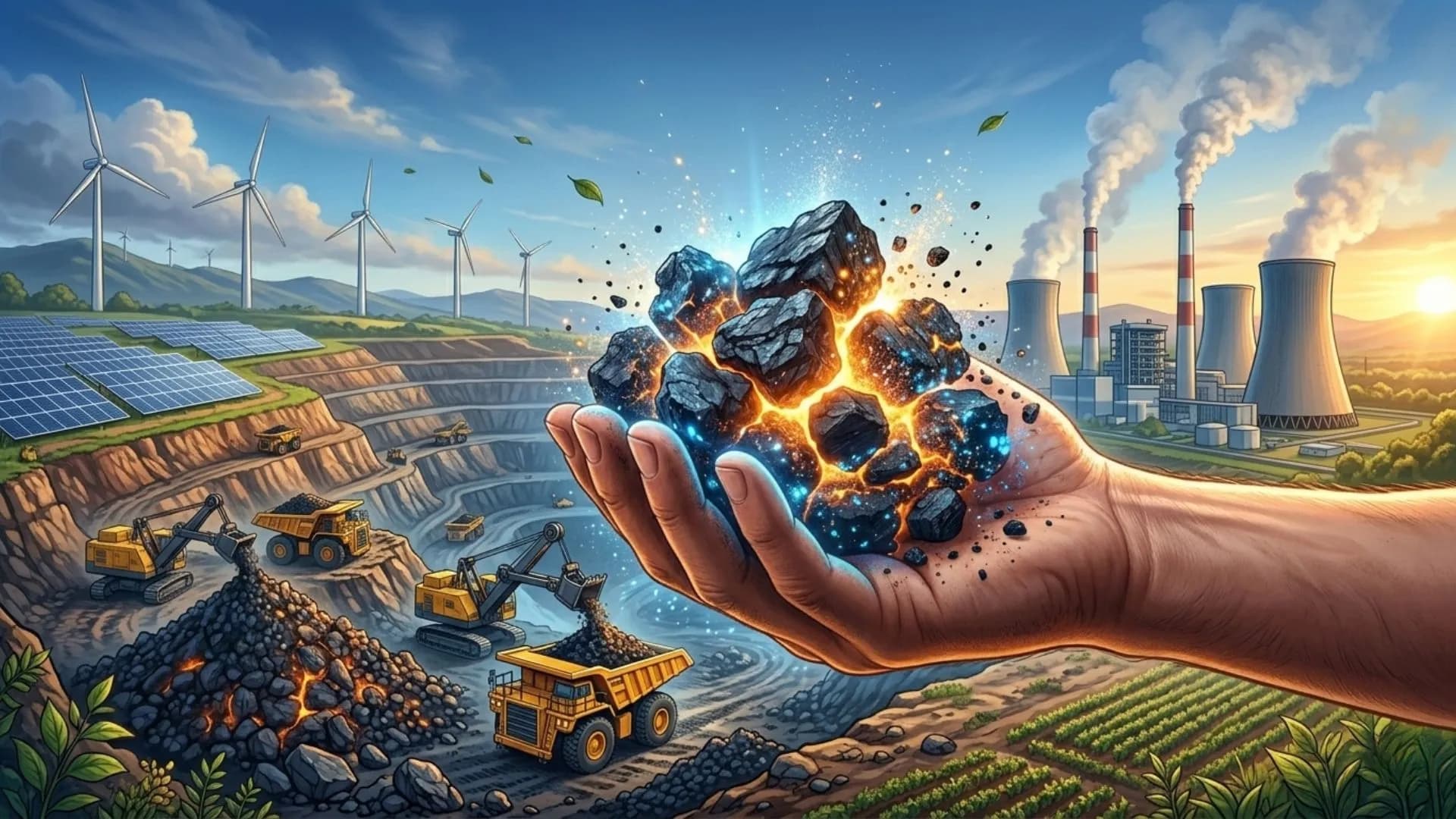
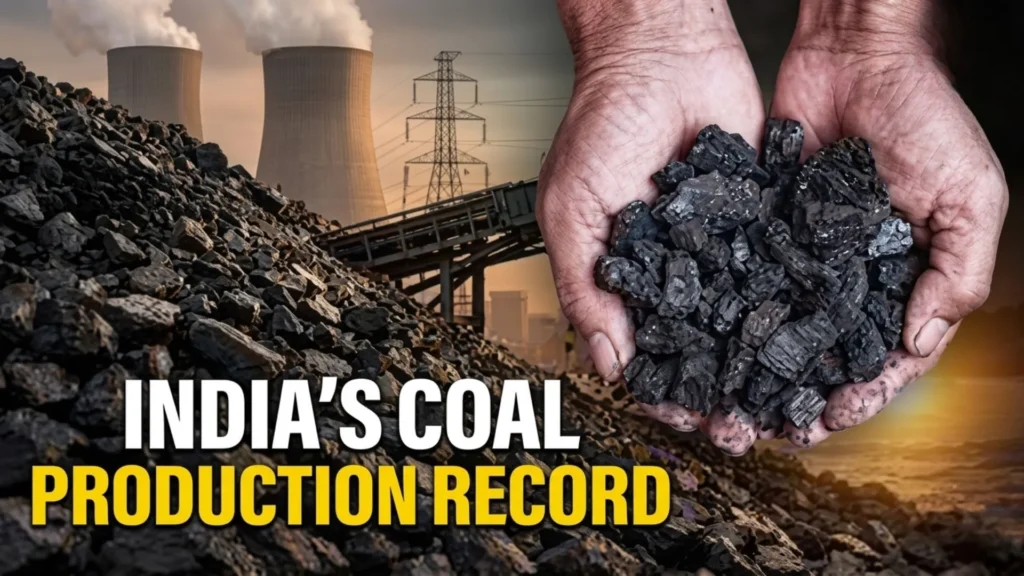
India has again shown its industrial capability and energy security performance when it produced a historical mark of its coal production of over one billion tonnes in the second consecutive year. It is more than a statistical win that has achieved this remarkable achievement: it is a strategic push to self-reliance, economic growth, and energy security. The rise in the growth rate of coal production in India has now become a trend in the changing horizon of Indian energy and has resulted in industries, banking, as well as infrastructure technicalities and policy structures.
Understanding the Milestone
The transformation in the coal industry in India has been propelled by policy change, better technologies in coal mining, and increased efficiency in coal mining. The fact that the production after achieving more than one billion tonnes of output is also a pointer of consistency, but also of structural integrity. Still in India, coal remains the back bone of the energy system and it plays a big role in electricity generation, steel production and cement production.
The consistent increase in the growth of India coal production shows that the domestic production is lowering the dependency on imports, enhancing the foreign exchange reserves and the creation of trade balances. This has a direct impact on the financial stability and the economic planning in the long run.
Key Drivers Behind India Coal Production Growth
Several factors have contributed to this sustained growth trajectory:
Policy Reforms and Liberalization
The activities of the government through commercial coal mining, sale of coal blocks through auction means have also stimulated private investment and higher efficiency. These reforms have also expanded the growth of India coal production thus opening up the sector to be more competitive and transparent.
Technological Advancements
High productivity has been boosted by the use of high mining devices, automation, and computerized tracking devices. The process of extraction has been optimized with assistance of real-time tracking and Artificial Intelligence planning tools.
Infrastructure Development
Better rail networks, specialized freight routes, and developed logistics have facilitated vehicle movements of coal between mines and electricity power generating plants and industries.
Powerful demand of the core industries.
Production is still driven by increasing energy demand particularly by thermal power plants. Sectors like steel and cement have also been invaluable in ensuring the growth in India coal production is maintained.
Economic and Financial Impact
This achievement has implications in other areas as well as the energy sector. It has a spillover into the financial ecosystem, such as banking, investments, and capital markets.
Boost to Banking Sector
The mining companies, the infrastructure developers and the logistics providers are enjoying more lending opportunities by the banks both in the public and in the private sector. The demand for credit improves with an increase in coal production which gives the banking industry a strong asset base.
Investment Opportunities
The steady growth in the coal production of India attracts the foreign and local investors. Better valuations and growth potential is experienced by the mining companies, equipment manufacturers, and the energy firms.
Reduced Import Dependency
India traditionally has been an importer of coal to satisfy the demand. Nonetheless increased domestic production lowers importation costs, stabilizes exchange rates and enhances fiscal health.
Environmental and Sustainability Considerations
While coal remains a critical energy source, environmental concerns cannot be ignored. The government and industry players are increasingly focusing on sustainable mining practices.
Efforts include land reclamation, afforestation, and the use of cleaner technologies. Additionally, coal gasification and carbon capture initiatives are being explored to reduce emissions while maintaining India coal production growth.
Real-World Impact: Case Study Approach
Consider the power sector, which relies heavily on coal. Increased domestic availability has reduced fuel shortages and improved electricity generation capacity. This has led to fewer power outages, benefiting industries and households alike.
Similarly, the steel industry has seen cost advantages due to stable coal supply, enhancing global competitiveness. These real-world outcomes demonstrate how India coal production growth directly supports economic development.
Benefits at a Glance
| Key Area | Impact of Coal Production Growth |
| Energy Security | Reduced dependency on imports |
| Economic Growth | Higher industrial output |
| Banking Sector | Increased lending opportunities |
| Employment | Job creation in mining & logistics |
| Infrastructure | Boost in rail and transport networks |
Strategic Importance for India’s Future
Coal will continue to play a transitional role as India moves toward renewable energy. While solar and wind energy are expanding rapidly, coal remains essential for base-load power generation.
The sustained India coal production growth ensures that the country can meet its immediate energy needs while gradually transitioning to cleaner alternatives. This balanced approach is crucial for maintaining economic momentum without compromising sustainability goals.
Challenges Ahead
Despite the positive outlook, several challenges need attention:
- Environmental concerns and regulatory pressures
- Land acquisition issues
- Need for further technological modernization
- Balancing coal usage with renewable energy targets
Addressing these challenges will determine how effectively India can sustain its India coal production growth in the long term.
The Road Ahead: Opportunities and Innovation
Innovation and integration are what will save coal in India. There are new opportunities like coal gasification, computerized mining activities, and AI-enhanced logistics that can make it even more efficient.
The financial institutions too will be the key players as they will invest in green mining projects and maintenance of green in the coal sector by funding them. Such co-ordination between industry and finance will be central to the continued growth of India coal production at the same time and against the environmental standards.
Conclusion
This is the strength of India as it has managed to produce more than one billion tonnes of coal in the last two years which can be attributed to its vision, operations and economic strength. The unabated growth in the production of India coal does not only enhance energy security but supports industrial growth, financial stability and development of infrastructure.
With the modern world stalling between the traditional power and the renewable transition, coal will also be a staple of the country economical engine. To investors, policymakers and industry stakeholders, this milestone comes with a treasure trove of opportunities and knowledge of the changing energy and financial trend in India.
In a rapidly evolving economy, staying ahead means making informed choices, and GoFinance gives you the tools, insights, and expert guidance to do exactly that.